Nuclear · Westinghouse
Tube Integrity
Designing Accuracy for Nuclear Safety
Overview
Tube Integrity is a platform built to help nuclear engineers perform data entry and calculations to maintain the safety of nuclear power plants. At its core, the platform generates reports that inform critical maintenance decisions—making accuracy and usability essential.
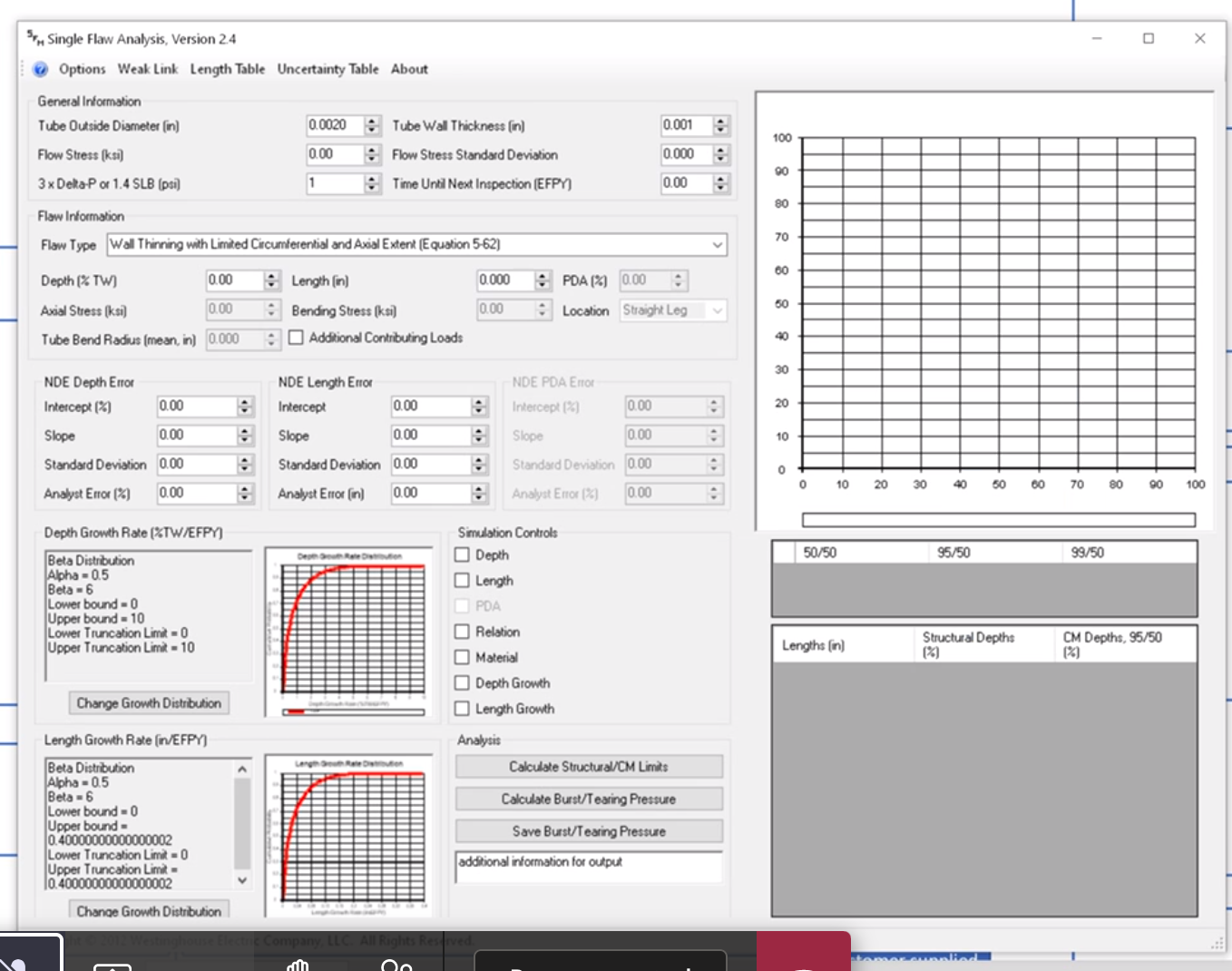
When I joined, engineers were relying on error-prone, Excel-based processes. My role was to guide the concept into a usable MVP, establish design standards, and ensure the solution truly met user needs.
My Role
I was brought in at the early stages after nuclear engineers pitched the idea to the business.
From day one, I:
- Led a workshop to define the MVP and set expectations.
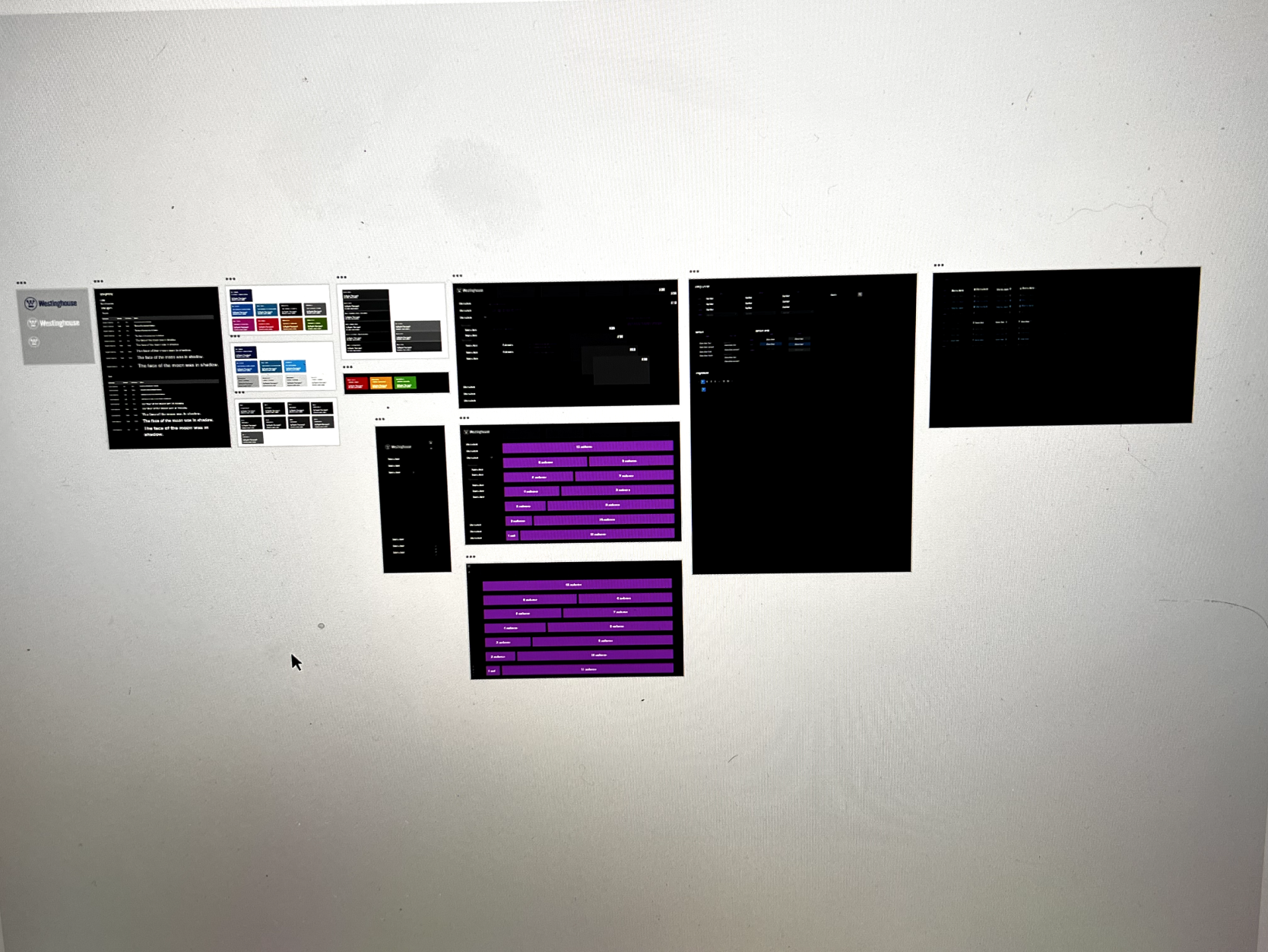
- Established a design system aligned with Westinghouse branding.
- Advocated for UX value across teams by creating a cohesive asset library.
- Partnered with engineers, product management, and stakeholders to identify pain points and opportunities.
- Facilitated design reviews and validation sessions while also designing core features myself.
This role required balancing strategic leadership, hands-on design, and cross-team collaboration.
The Users
Discovery
Nuclear engineers conducting assessments on steam generator viability and providing maintenance guidelines.

Research & Discovery
To understand the workflow, I:
- Interviewed nuclear engineers over a week.
- Captured screenshots of their existing Excel processes.
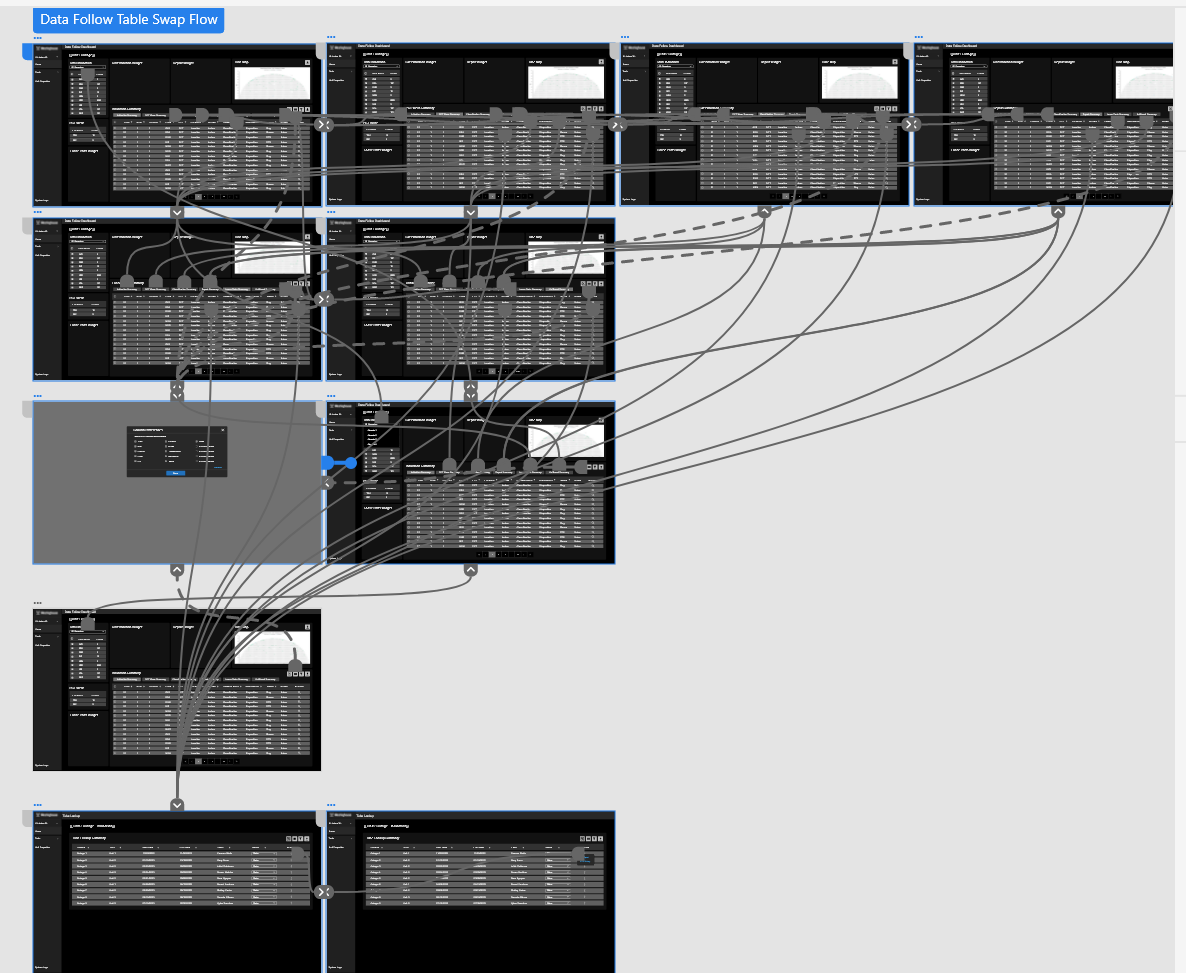
- Built a site map to structure the user experience.
Key Problem Identified Engineers often calculated the same flaw multiple times, leading to duplicate reports and inaccurate data for decision-makers.
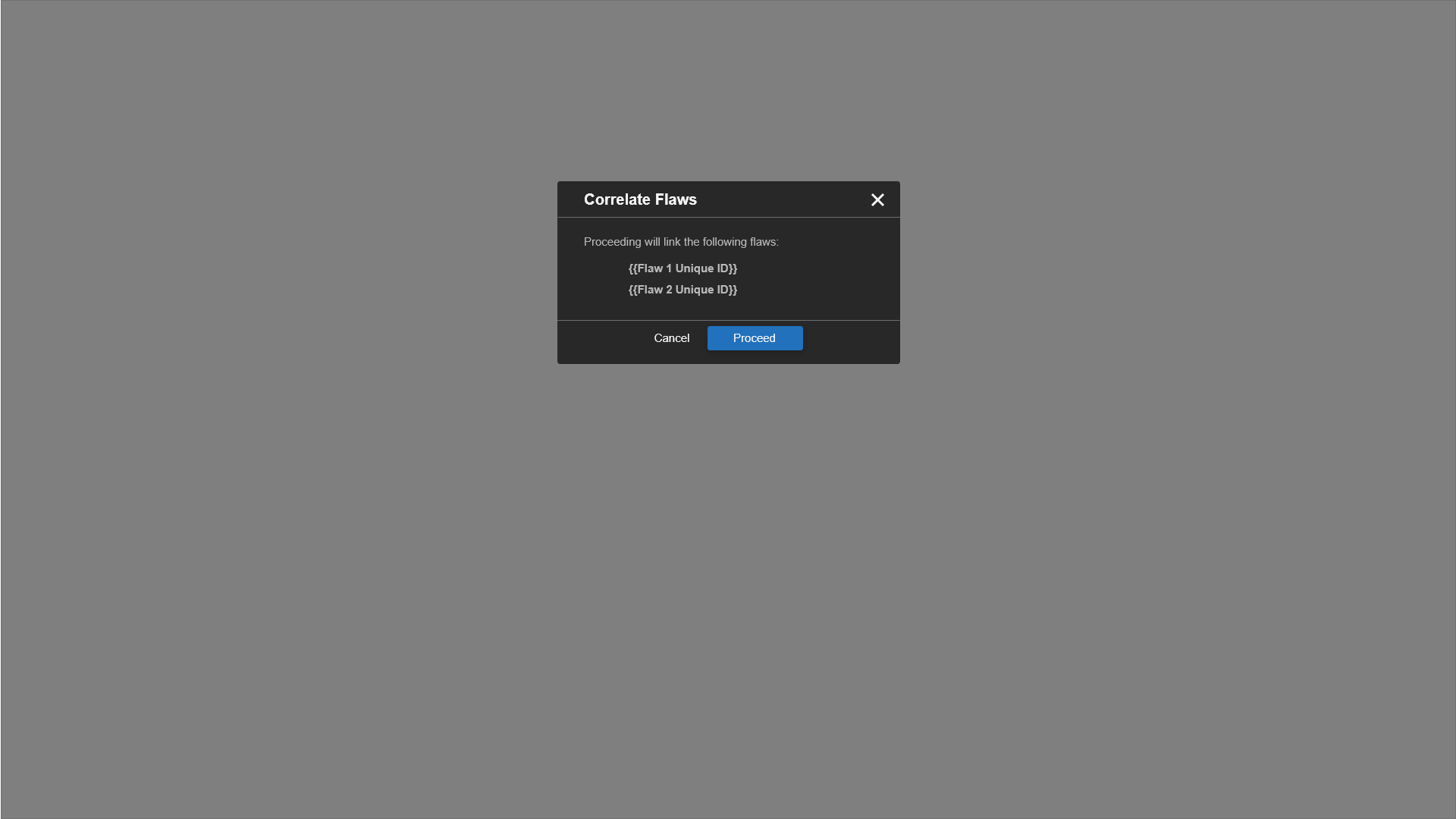
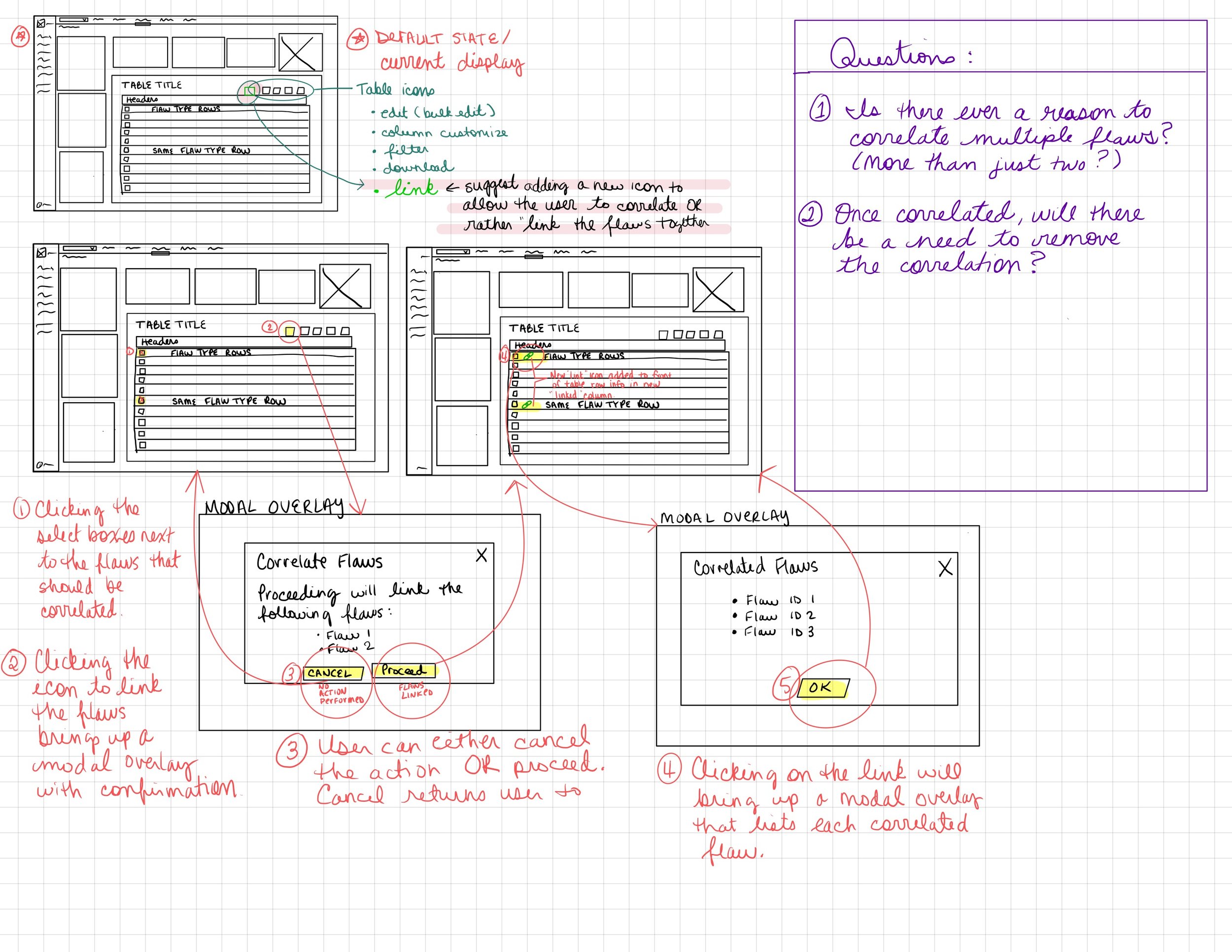
Goal: Prevent duplicate reporting by allowing engineers to correlate or group related flaws together.
Refinement
Solution Exploration
Initial Idea: I proposed a tagging system, similar to email categories. Engineers could label flaws and filter them later.
- ✅ Flexible in theory
- ❌ Too many potential labels created noise and confusion
- ❌ Large data load made unlimited categorization unscalable
Refinement:
- Researched how other platforms (Amazon filters, tagging blogs, Azure DevOps) handle similar situations.
- Breakthrough came during an informal chat with an engineer—what they truly needed was not labels, but grouping related flaws together.
This pivot simplified the workflow and directly solved the duplication issue.
Final Implementation
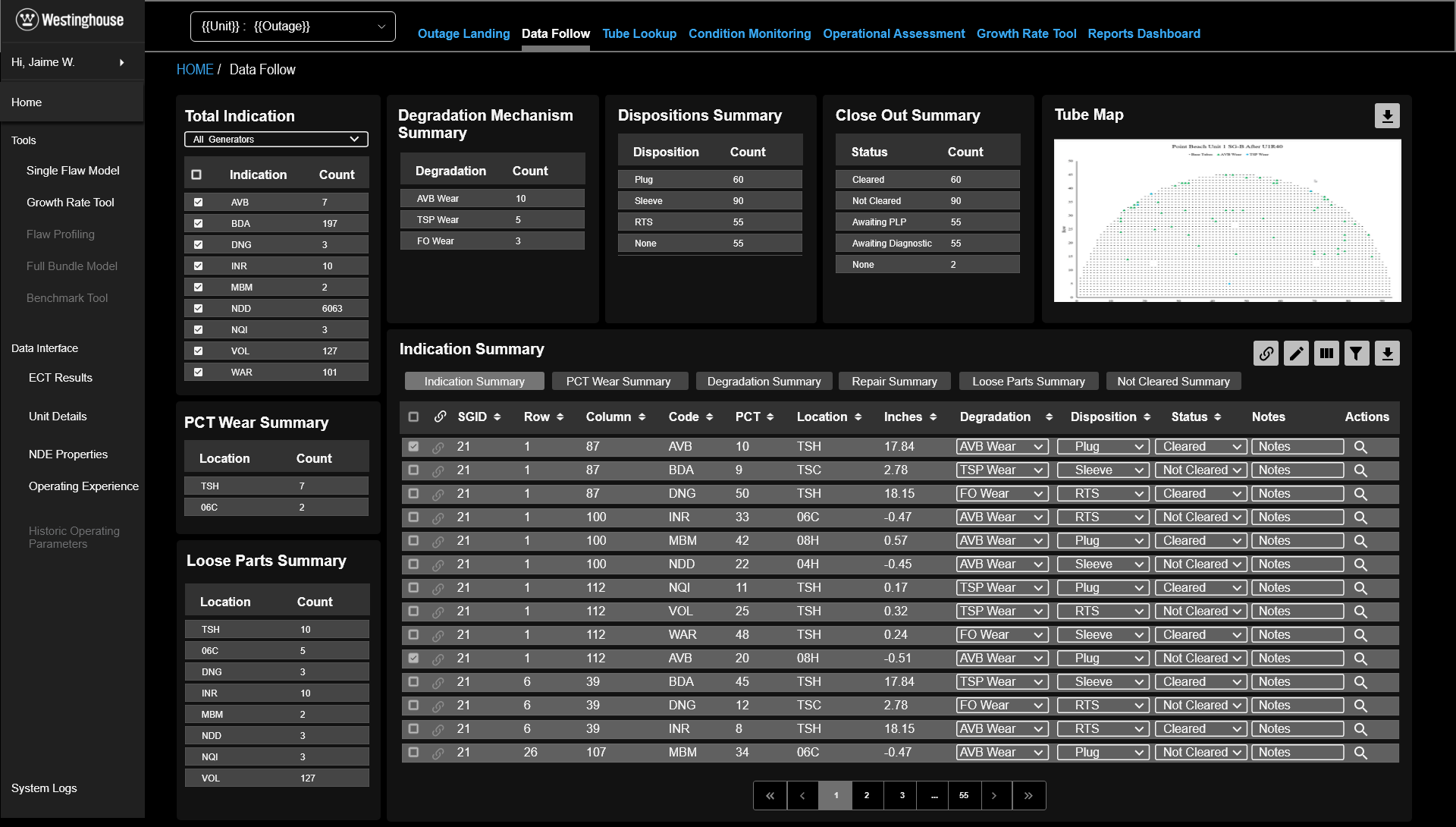
I designed a grouping feature that let engineers associate flaws instead of categorizing them.
Validation:
- Weekly design reviews with nuclear engineers and developers.
- Real-world testing sessions to confirm usability.
- Ongoing collaboration with developers to ensure implementation matched intent.
The result was a streamlined interface that improved both accuracy and confidence.
Impact & Takeaways
Impact:
- ✅ Improved Accuracy: Eliminated duplicate reporting through flaw grouping.
- ✅ Streamlined Workflow: Reduced unnecessary complexity from tagging.
- ✅ Cross-Team Collaboration: Design, engineering, and product worked in lockstep for a smooth delivery.
Takeaways:
- Pivoting early can lead to the most impactful solutions.
- Continuous user validation is key, even mid-process.
- Design leadership means balancing advocacy, facilitation, and hands-on delivery.
Why it matters: This project demonstrates my ability to take a technical, high-stakes problem, uncover the real user need, and deliver a design that improves accuracy, efficiency, and confidence in a mission-critical enterprise tool.