Enterprise · symplr
Modernizing Time & Attendance
From On-Premise to Cloud

Overview
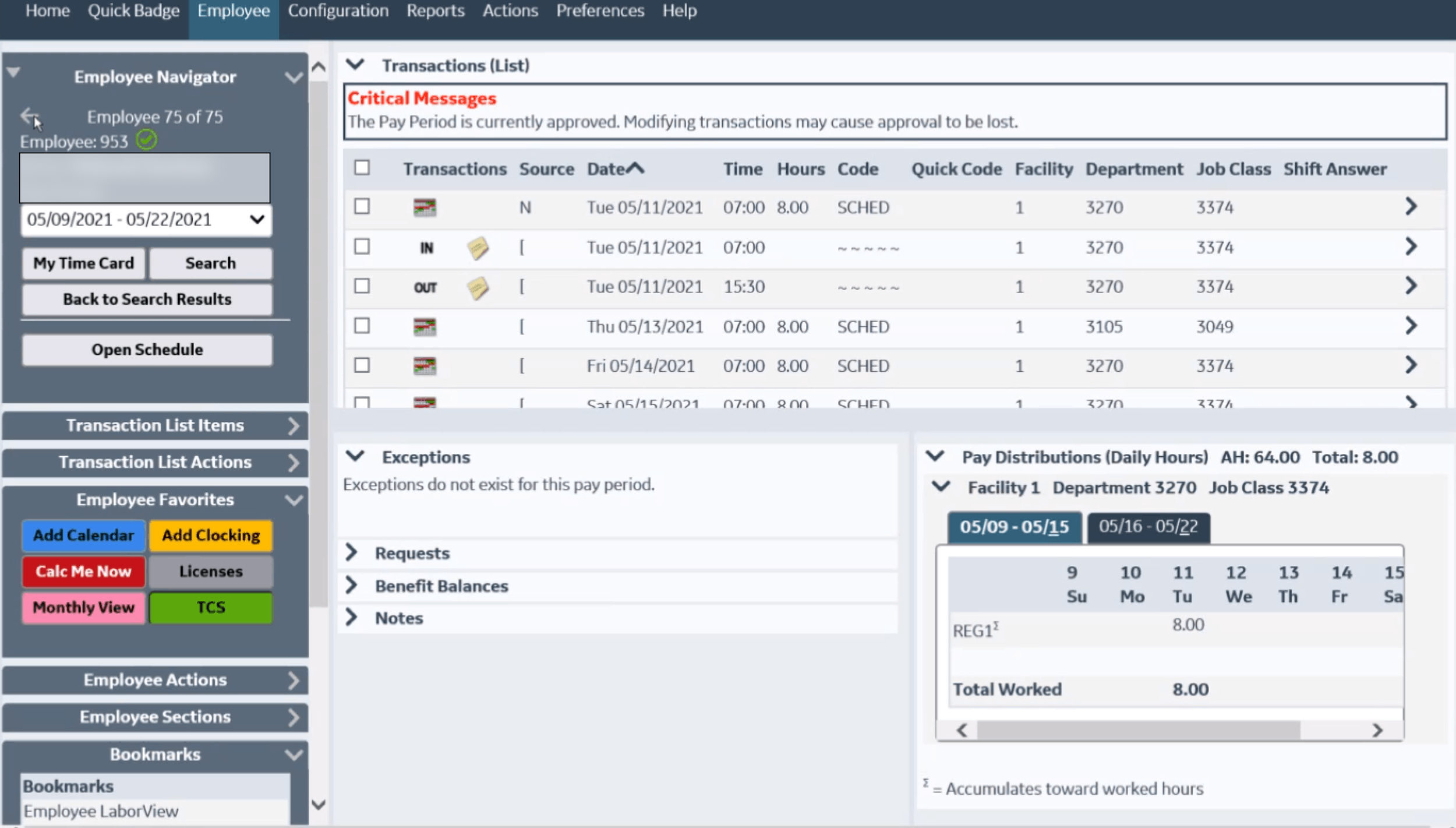
As part of a large-scale initiative to modernize critical enterprise applications, the Time and Attendance system underwent a transformation from an on-premise tool to a cloud-based solution. This transition was more than a technical migration—it was an opportunity to improve usability, efficiency, and adoption through design.
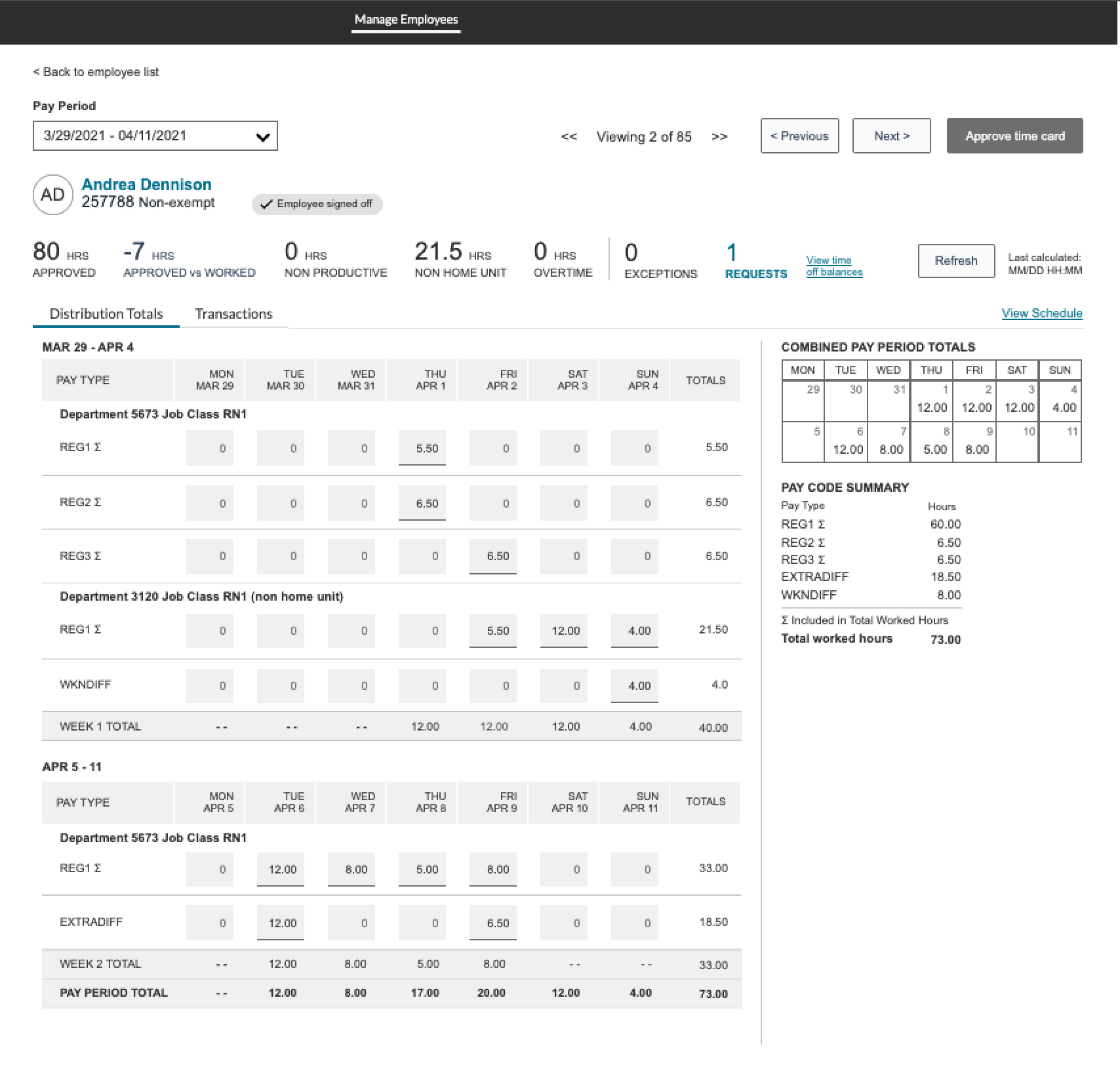
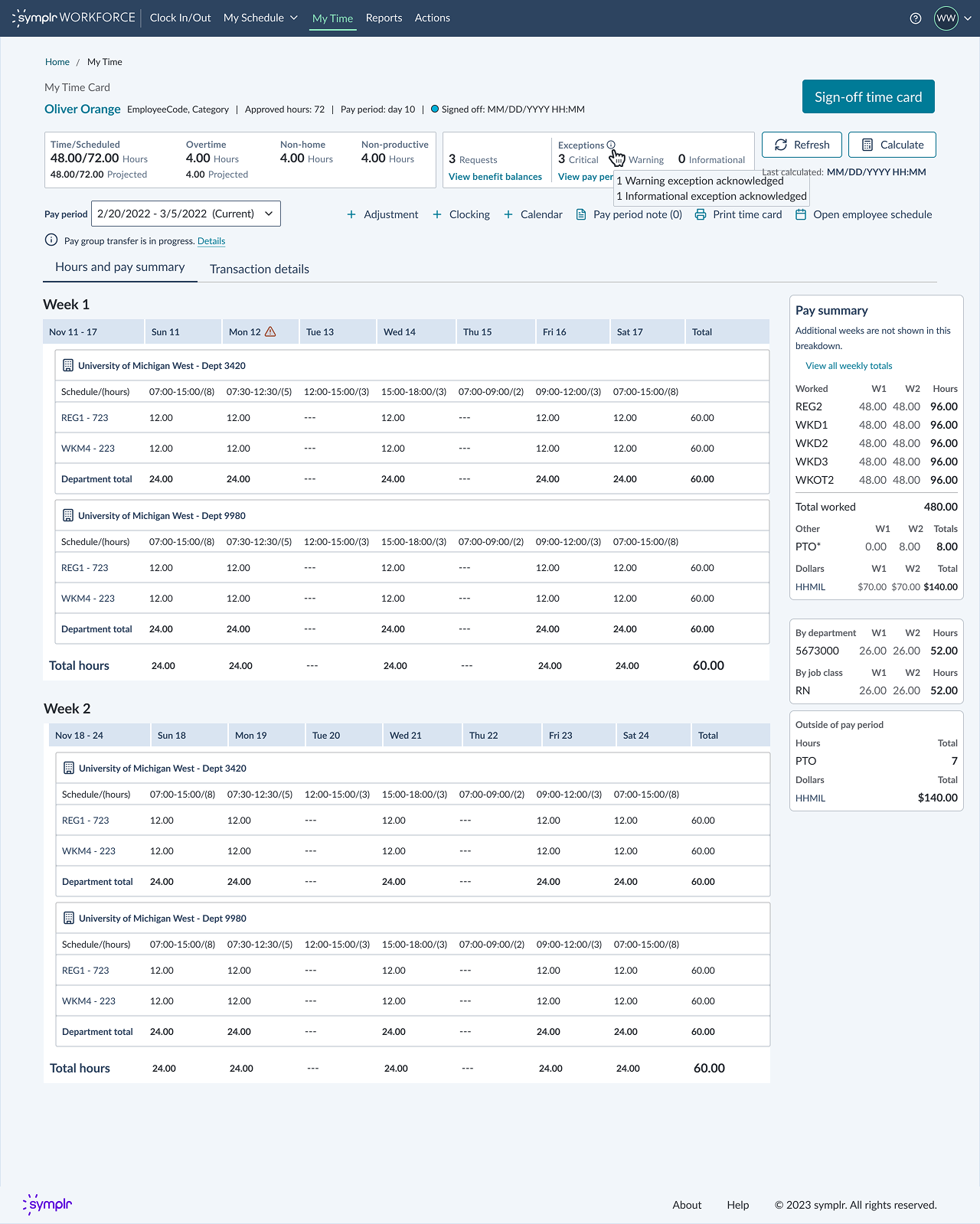
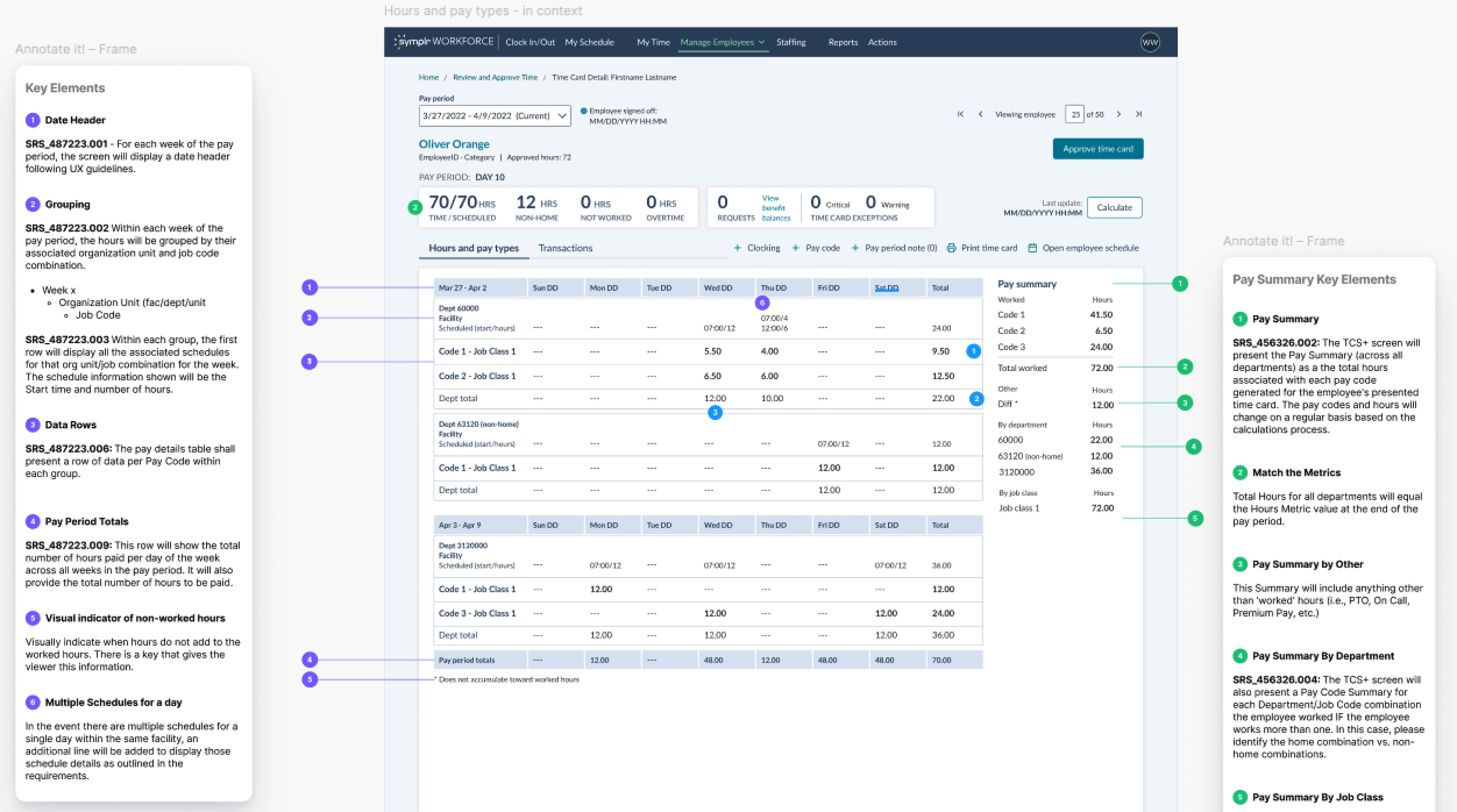
Using the Alloy design system and a modern tech stack, I managed a redesign of one of the application’s most frequent and business-critical workflows: reviewing and approving timecards.
Challenge
Timecard review and approval is one of the most commonly executed processes in the application. Any inefficiencies or errors in this workflow directly impact payroll accuracy, employee trust, and organizational productivity.
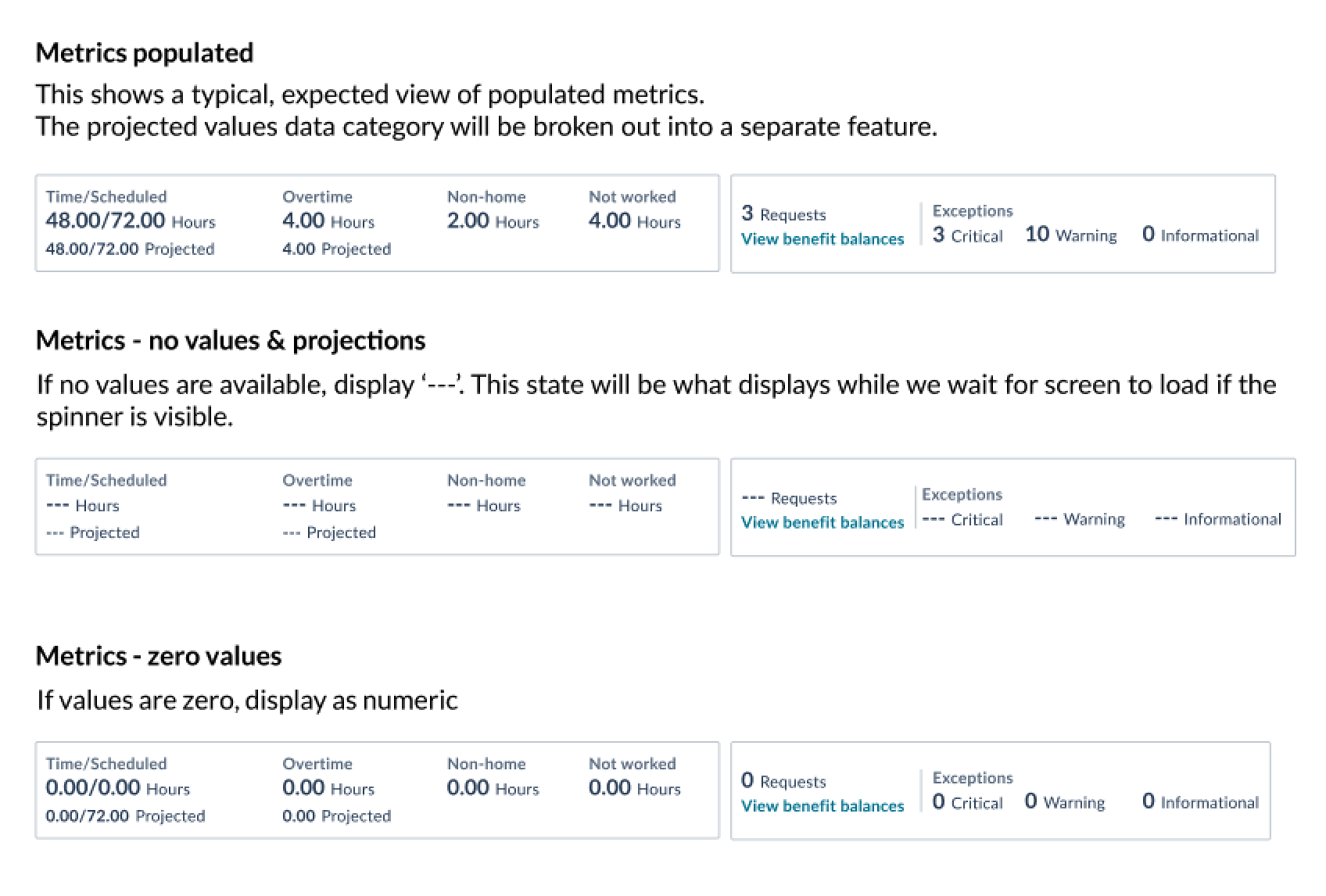
The redesigned screens represented a significant departure from the legacy interface, requiring a design that not only solved usability pain points but also provided a compelling reason for organizations to adopt the cloud version.
My Role
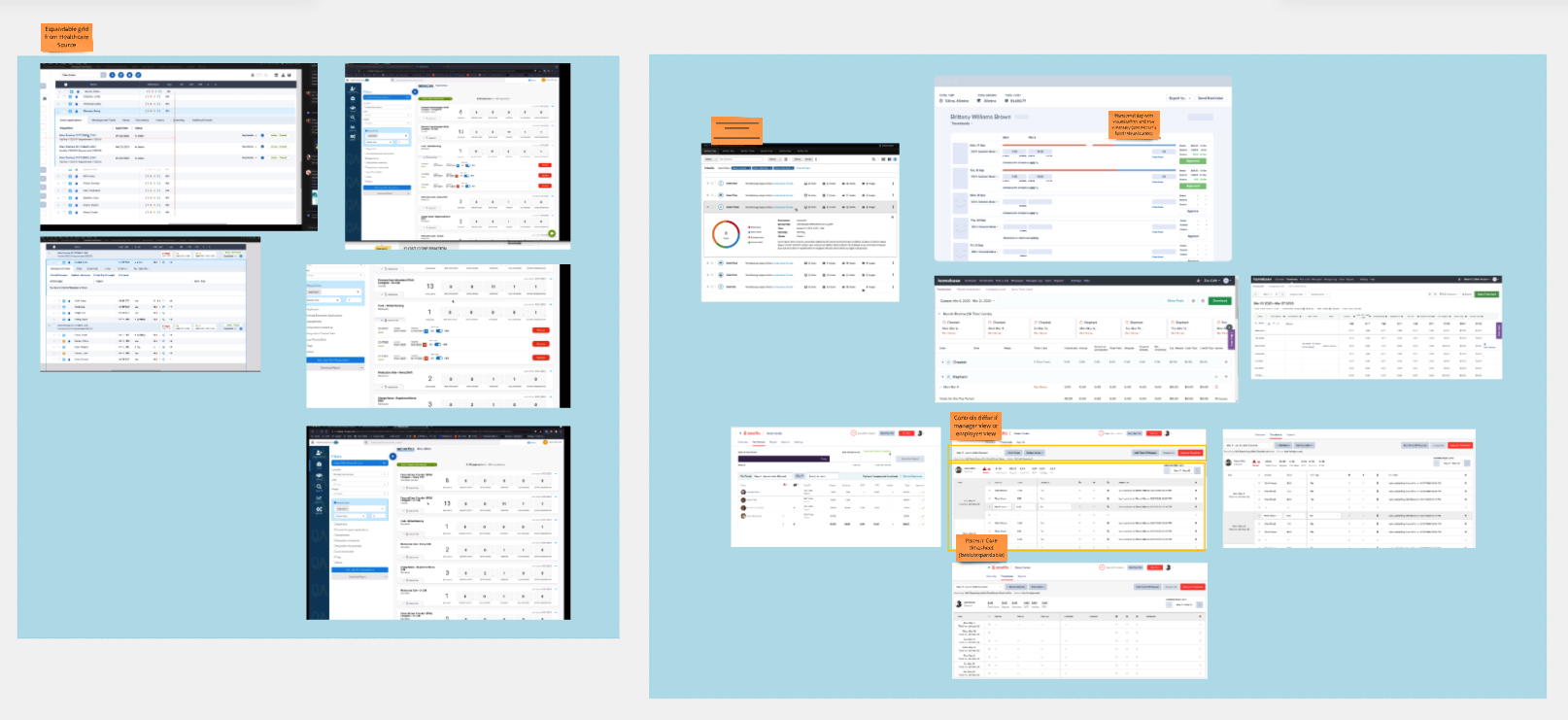
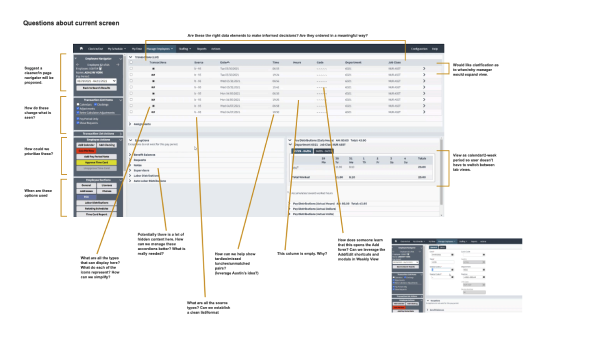
I joined the project after initial sketches and early designs had been created by a previous designer who retired. From there, I took full ownership and drove the project through to its first go-live release for early adopters.
In this role, I:
- Provided oversight for up to 4 contractors and supported in house designers who contributed related features to the timecard project.
- Ensured alignment and continuity across designs, patterns, and user flows.
- Advocated for the user by grounding design decisions in research insights.
- Facilitated design reviews with stakeholders and designers to maintain quality and consistency.
- Partnered closely with the design system team to define and build new components needed for the project.
- Collaborated with the research team to plan and conduct studies, synthesize findings, and iterate on solutions.
- Continued to design core features myself, balancing leadership responsibilities with hands-on contributions.
Research Objectives
Research
To evaluate effectiveness, I partnered with our research team to conduct multiple rounds of prototype-based usability studies around the review and approval process.
Key questions included:
- Can reviewers identify and process requests?
- Can they correct errors effectively?
- Can they recognize when employees fail to submit time?
Methodology
- Remote moderated sessions with one participant at a time
- Ease-of-use questionnaire after each session
- 7 participants total, covering a range of user types and experience levels
Key Findings
What Worked
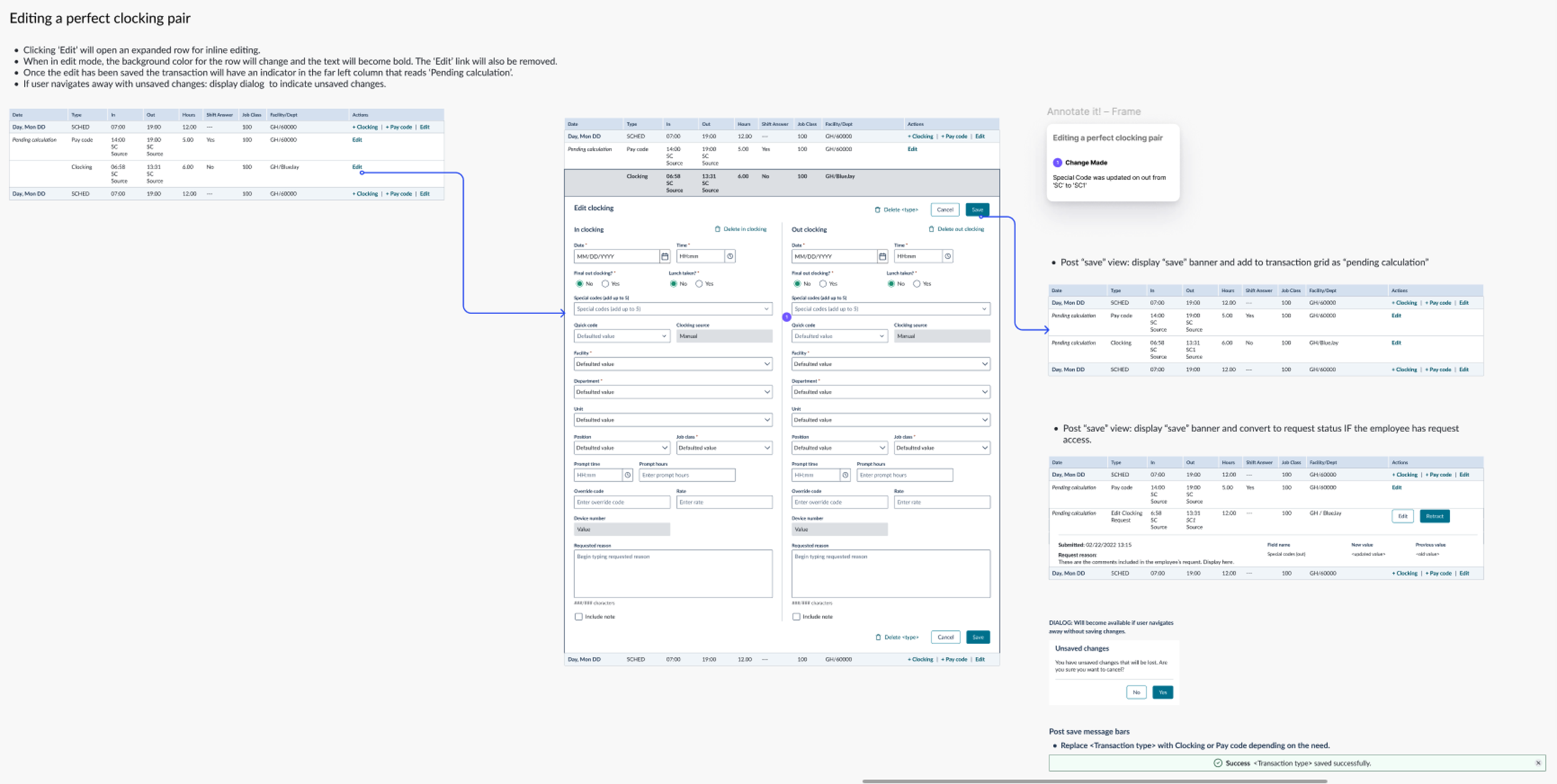
- Adding a clocking pair and applying filters improved workflow efficiency.
- Participants rated both ease of use and confidence in approval tasks at 5.86/7.
Where Users Struggled
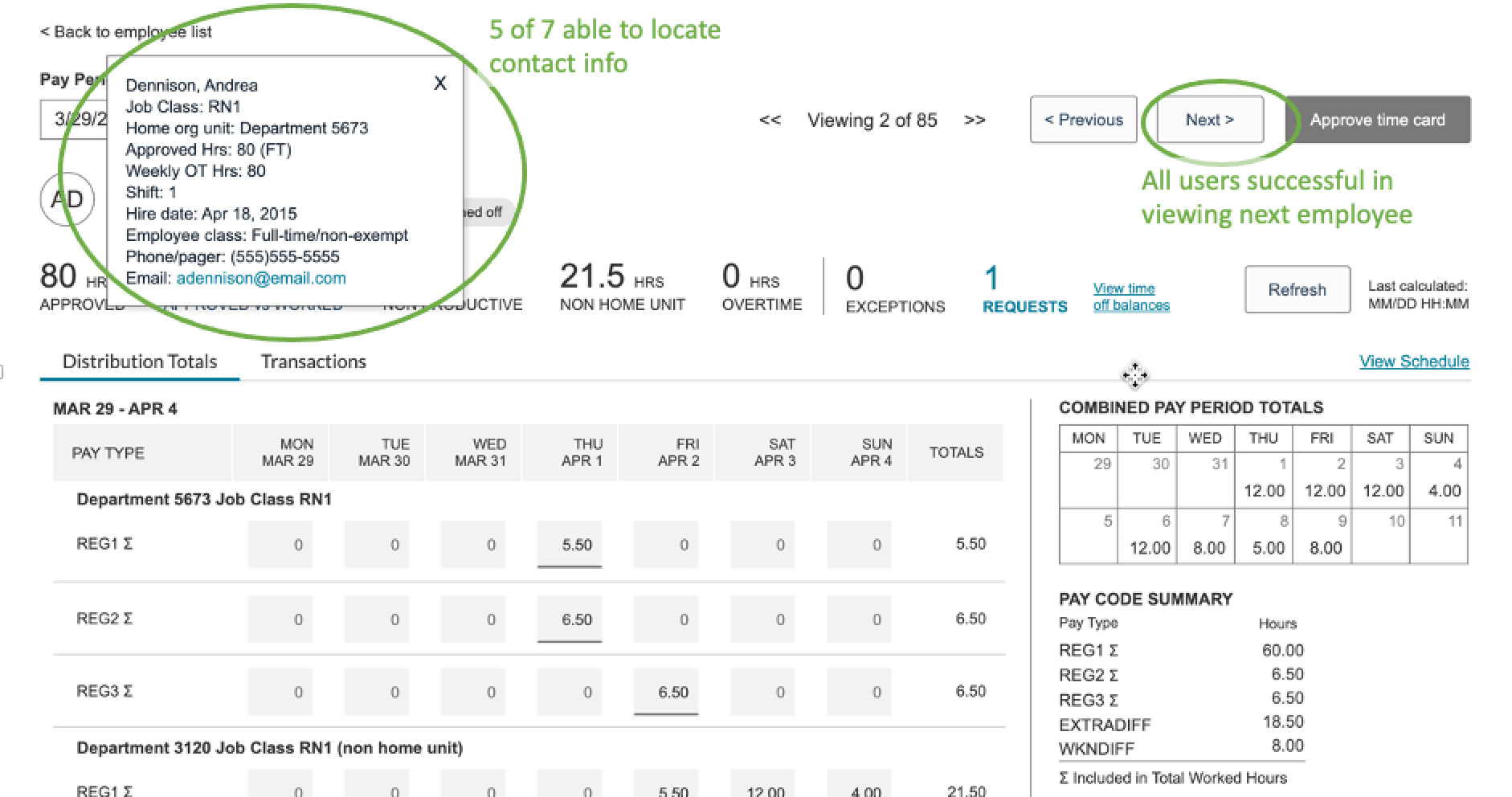
- Workflow Discovery 4 of 7 participants missed key actions like Requests tab, Select checkbox, and Review button.
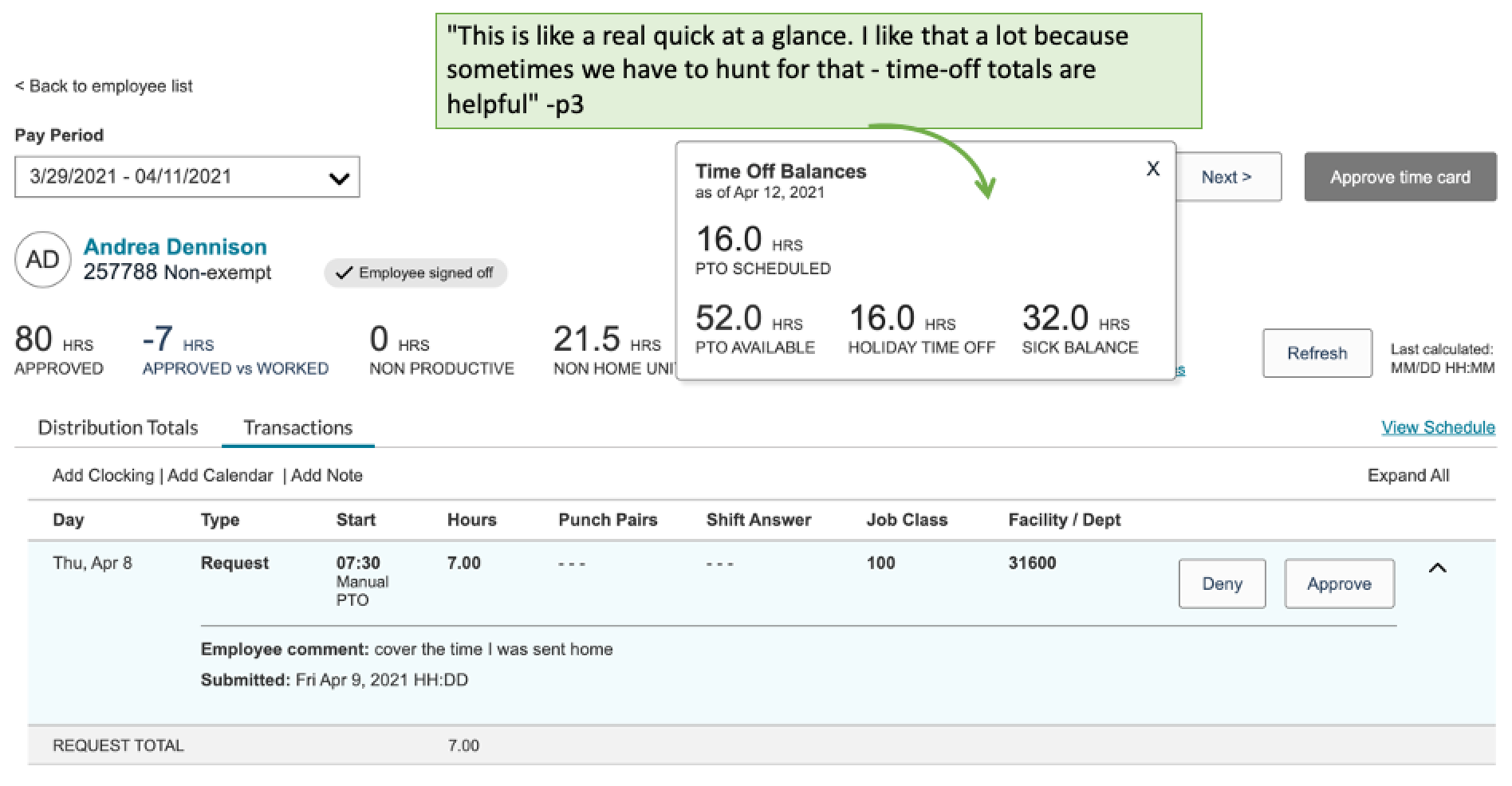
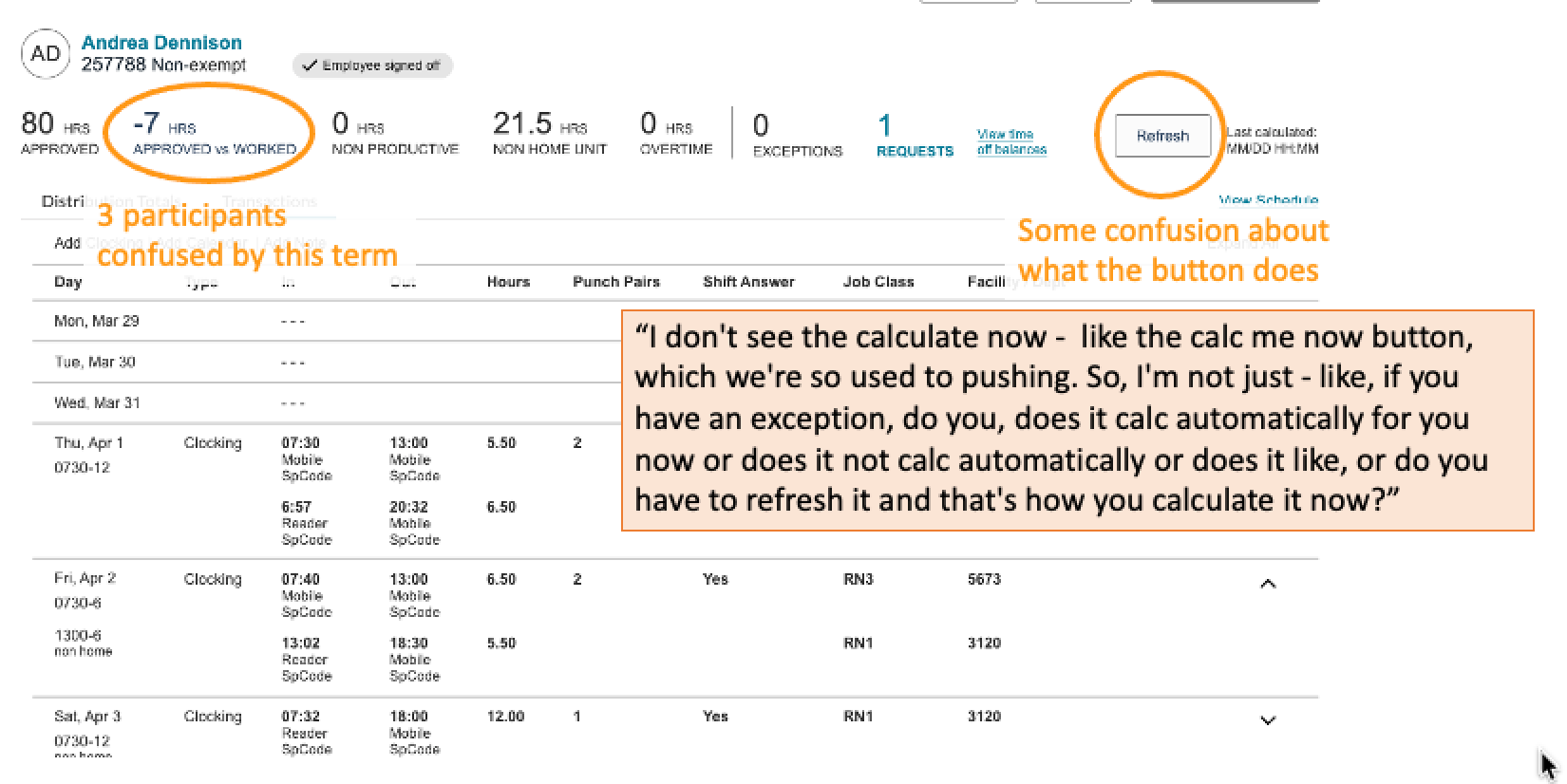
- Content Comprehension 5 of 7 did not understand blue italicized text. Users confused requested hours with worked or projected hours.
Design Adjustments
- Improved discoverability: clearer navigation labels, stronger visual hierarchy, and onboarding for first-time users.
- Refined content: replaced jargon and ambiguous indicators with plain language and clearer visual distinctions.
- Visual clarity: avoided reusing the same indicators for different data points (e.g., worked vs projected hours).
Impact
- User Ratings: Ease of use and confidence averaged 5.86/7, indicating a strong baseline for adoption.
- Perceived Efficiency: 3 of 7 participants expected the new design to speed up approvals, while refinements continue to target the neutral/mixed group.
- Cloud Migration Incentive: The redesigned workflows and modern UI offered a clear improvement over the legacy system, strengthening the business case for cloud adoption.
Conclusion
This research-driven design transformation improved usability, workflow clarity, and user trust in a mission-critical enterprise application. By identifying pain points early and refining both interface and interaction design, the Time and Attendance application became a cloud-ready solution that encourages adoption and reduces business risk.
Through this project, I was able to showcase:
- Design Leadership – Took ownership of a complex initiative midstream, provided oversight for contractors and staff designers, and drove the project to first release for early adopters.
- Systems Thinking – Ensured continuity and alignment across multiple contributors by maintaining consistent patterns, flows, and interactions.
- User Advocacy – Grounded design decisions in research, partnering with the research team to synthesize findings and apply them directly to feature work.
- Collaboration & Facilitation – Partnered with the design system team to expand components, and facilitated design reviews that aligned designers and stakeholders.
- Hands-On Delivery – Balanced leadership with direct contribution, designing core features myself while mentoring and guiding others.
- Business Impact – Delivered a more usable, research-backed timecard experience that supported cloud adoption and improved confidence in a critical workflow.